
Who Invented the IQ Test?
The IQ Town Team
Psychometrics & test design
Alfred Binet, with Théodore Simon, invented the first practical intelligence test in Paris in 1905. The French ministry wanted a way to find children who needed special help in school. Binet built an age-graded set of tasks. He did not build a measure of fixed, innate worth.
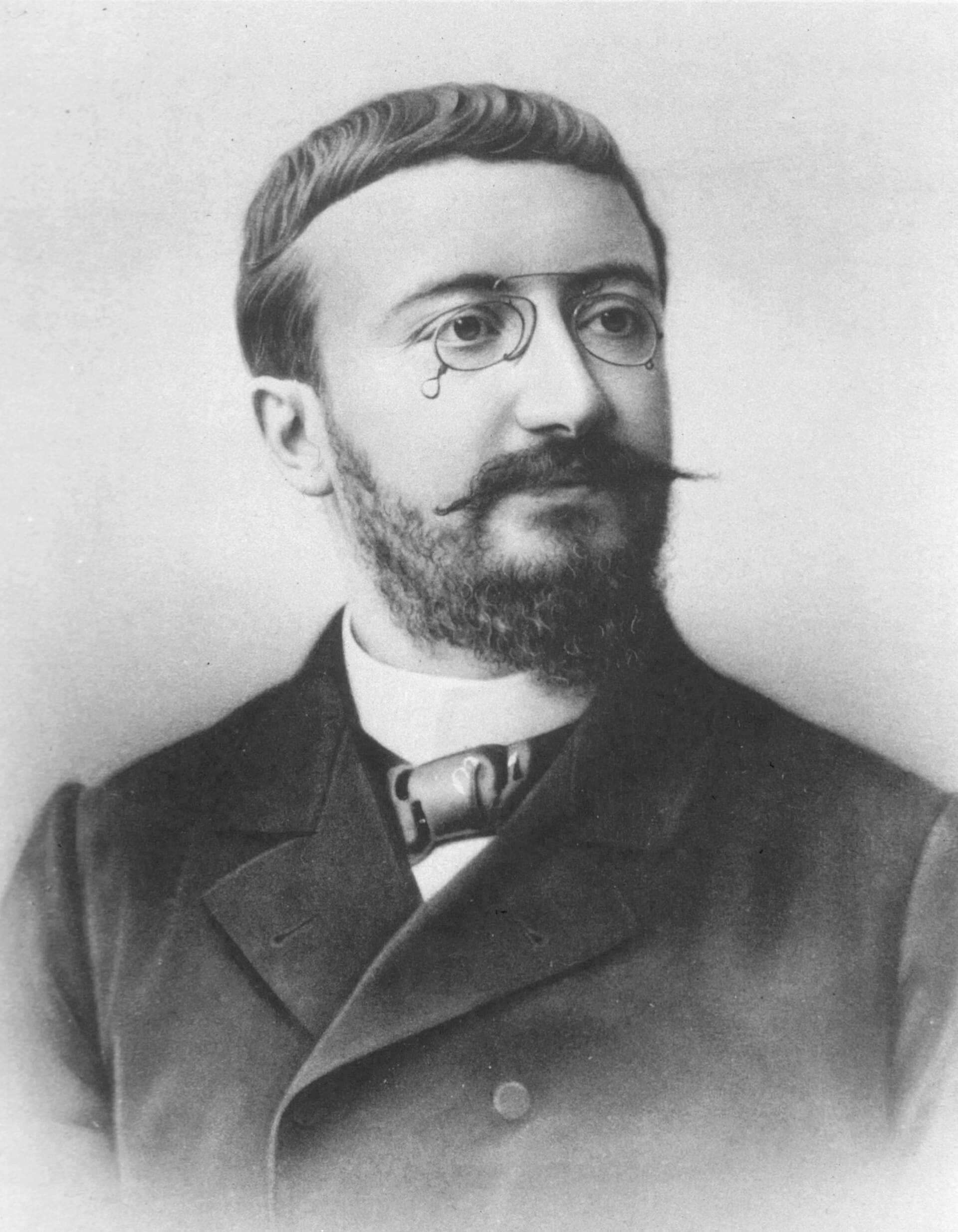

Binet and Simon
Binet watched what children of different ages could do: name objects, repeat sentences, compare weights, explain a picture. A child who performed like a younger age group was flagged for help, not branded. The scale was practical and openly imperfect. That modesty is the part later popularizers dropped.
What Binet refused to claim
Binet warned that the score was not a permanent essence and that it should not be used to mark children as incapable of growing. He was explicit that the scale was a guide for teaching. When American testers and immigration officials later treated scores as a verdict on groups, they were leaving Binet's purpose behind. Knowing the origin is a guardrail: the tool started as 'who needs a different classroom,' which is still a saner use than a public leaderboard.
Purpose is part of validity
A test can be statistically careful and still be used for a question it was not built to answer. Binet's question was school support.Binet's items were school tasks. This one is a cousin.
Try one example before you start the full test. Instant feedback — no account required.
Book is to reading as fork is to…
The modern test is a deviation score, not Binet's ages
Take the free test for a personal estimate on today's scale.
What came later
Stern divided mental age by chronological age. Terman adapted the scale at Stanford and multiplied by 100, giving the ratio IQ that could soar above 200 for young children — the confusion behind can an IQ be over 200. Wechsler, mid-century, scored adults by how far they sat from the average of their age group. That deviation IQ is what how IQ is measured describes, and what today's test types still use. Take the free test if you want a personal estimate in that modern sense, not a reenactment of 1905.
Frequently asked questions
Who invented the IQ test?
Alfred Binet and Théodore Simon created the first practical scale in 1905. The actual 'IQ' ratio came from later work by William Stern and Lewis Terman. David Wechsler developed the deviation IQ in wide use today.
Why was the IQ test invented?
To help French schools identify children who needed additional support, using age-graded tasks.
Did Binet believe IQ was fixed?
No. He argued against treating the score as a permanent limit on a child's capacity to learn.
See a present-day sitting
About 10 minutes, unassisted.