
Does the Mozart Effect Work?
The IQ Town Team
Psychometrics & test design
The Mozart effect does not work as advertised. Listening to Mozart does not raise IQ. A small 1993 experiment found a short-lived improvement on one spatial task, and later work did not turn that into a general intelligence gain.
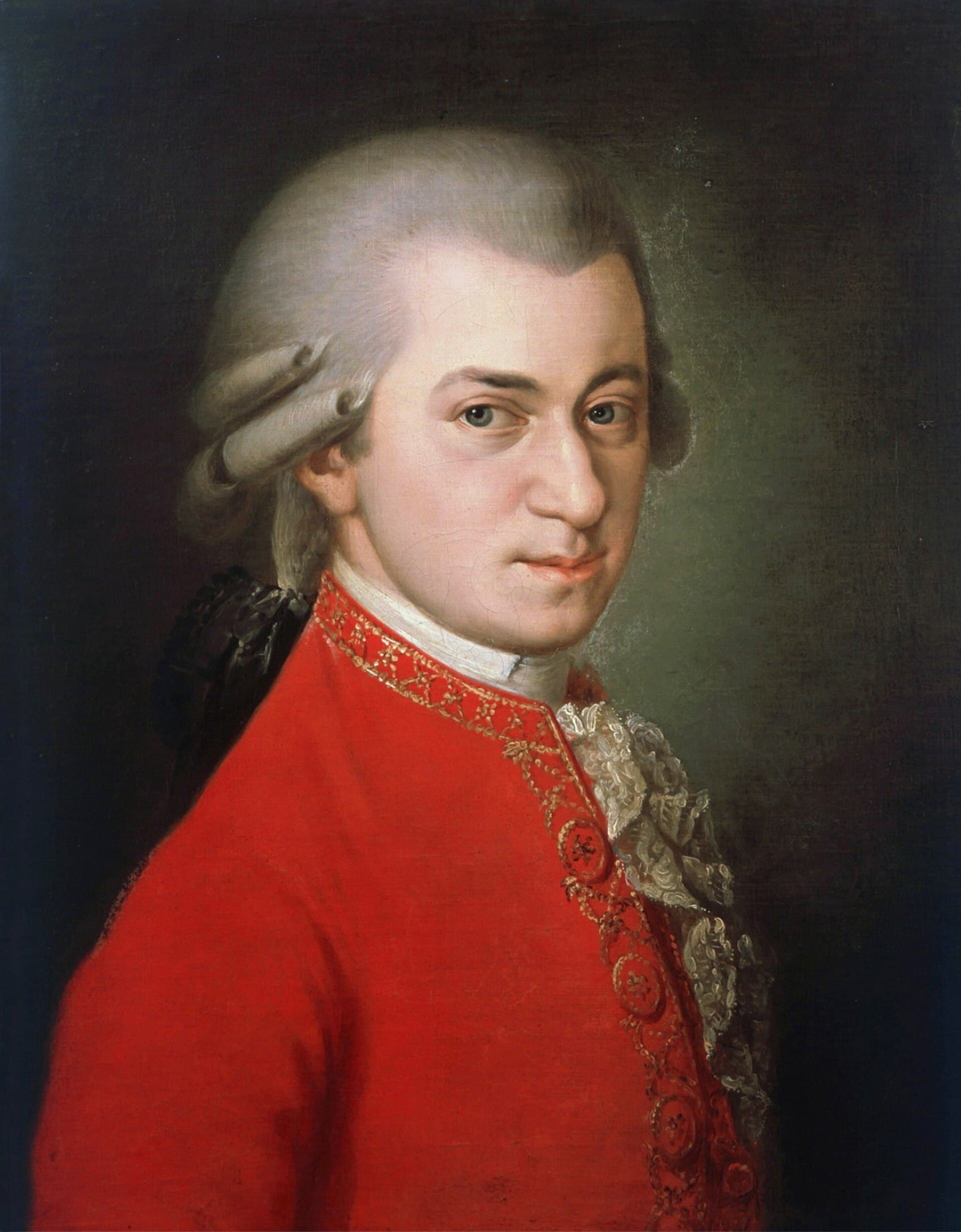

What the 1993 study found
College students who listened to a Mozart sonata did a bit better, for about ten to fifteen minutes, on a paper-folding task than students who sat in silence or heard relaxation instructions. The authors did not claim a higher IQ. The result was a brief arousal and mood effect on one spatial measure. That is a real, narrow finding. It is not 'classical music makes children smarter.'
What the culture did with it
Governors sent CDs home with infants. Toys promised cognitive gains. Replications were mixed, and meta-analyses found little worth selling. When an effect is tiny, temporary, and stuck to one task, it has failed the test that matters: far transfer. You got slightly better at a cousin of the task while alert. You did not change g.
How to improve your IQ already files this under hype. This page is the specific myth people still search.
Do not buy an IQ in a speaker
If a product cites Mozart and then promises a higher child IQ, it is using a study that does not say that.No soundtrack required
Try one example before you start the full test. Instant feedback — no account required.
Which letter comes next? A, C, F, J, O, ?
Silence is a fair testing condition
Take the free test without a playlist telling you it is doing the work.
Listening is not lessons
Playing music for years is practice, attention, and reading a notation. That is a skill. Whether it raises IQ in general is the next article, do music lessons raise IQ. Pressing play is not that practice. Enjoy the sonata. Take the free IQ test in a quiet room if you want a score, and do not expect the speakers to have moved it.
Frequently asked questions
Does listening to Mozart raise IQ?
No. The original study found a brief improvement on one spatial task in college students. It was not an IQ gain, and it did not hold up as a general intelligence effect.
Does classical music help babies' brains?
Babies benefit from being talked to, read to, and responded to. A Mozart CD is not an intelligence program.
Why did the idea spread?
A catchy result met parental anxiety and a product market. The limits — ten minutes, one task, adults, not IQ — were left off the box.
Measure reasoning, not a CD
About 10 minutes.