IQ
Loading…
Loading…
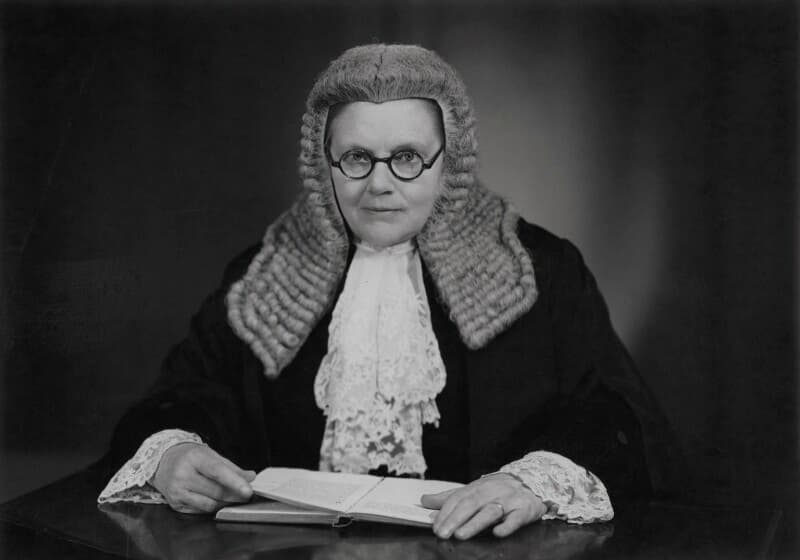
Estimated average IQ
~125
Lawyers average ~125. See how you compare.
30 questions · ~10 minutes · instant percentile
~125
Average IQ
95.2th
Percentile
120–130
Typical range
Superior
Classification
Try one example before you start the full test. Instant feedback — no account required.
What number comes next in the series? 3, 6, 12, 24, 48, ?
How heavily lawyers lean on each core cognitive ability — the same abilities our IQ test measures.
Verbal ability
95%
Reading, writing and arguing with precision.
Logical reasoning
90%
Building and dismantling structured arguments.
Working memory
85%
Holding complex facts and precedents in mind.
Critical analysis
88%
Finding the flaw in an opponent's case.
Processing speed
72%
Thinking on your feet in court and negotiation.
Rough estimates only — the differences are small and overlapping.
Appellate / constitutional law
Pure doctrinal reasoning at the highest level.
Corporate / M&A law
Complex, high-stakes transactional reasoning.
Litigation
Argument under pressure plus rapid analysis.
How to read this: These figures are population-level averages drawn from research correlating occupations with cognitive-test scores — not a requirement or a ceiling. Individual ability varies enormously within every profession, and a single number says nothing about any one person. Treat it as context, not a verdict.
Take the free, research-backed IQ test and see your real score and percentile in about 10 minutes.
Lawyers are typically estimated to average around 120–130, with ~125 commonly cited, and they score especially high on verbal measures. As always it's a population average, not a requirement.
Yes — law selects strongly for verbal ability through tests like the LSAT and the nature of the work, so lawyers' verbal scores tend to stand out even relative to other high-IQ professions.
There's no IQ threshold. The bar rewards disciplined study, reading skill and reasoning, which correlate with IQ but are heavily trainable. Work ethic and preparation matter enormously.